

Meet Parallel Play: Where Therapy Looks a Lot More Like Recess
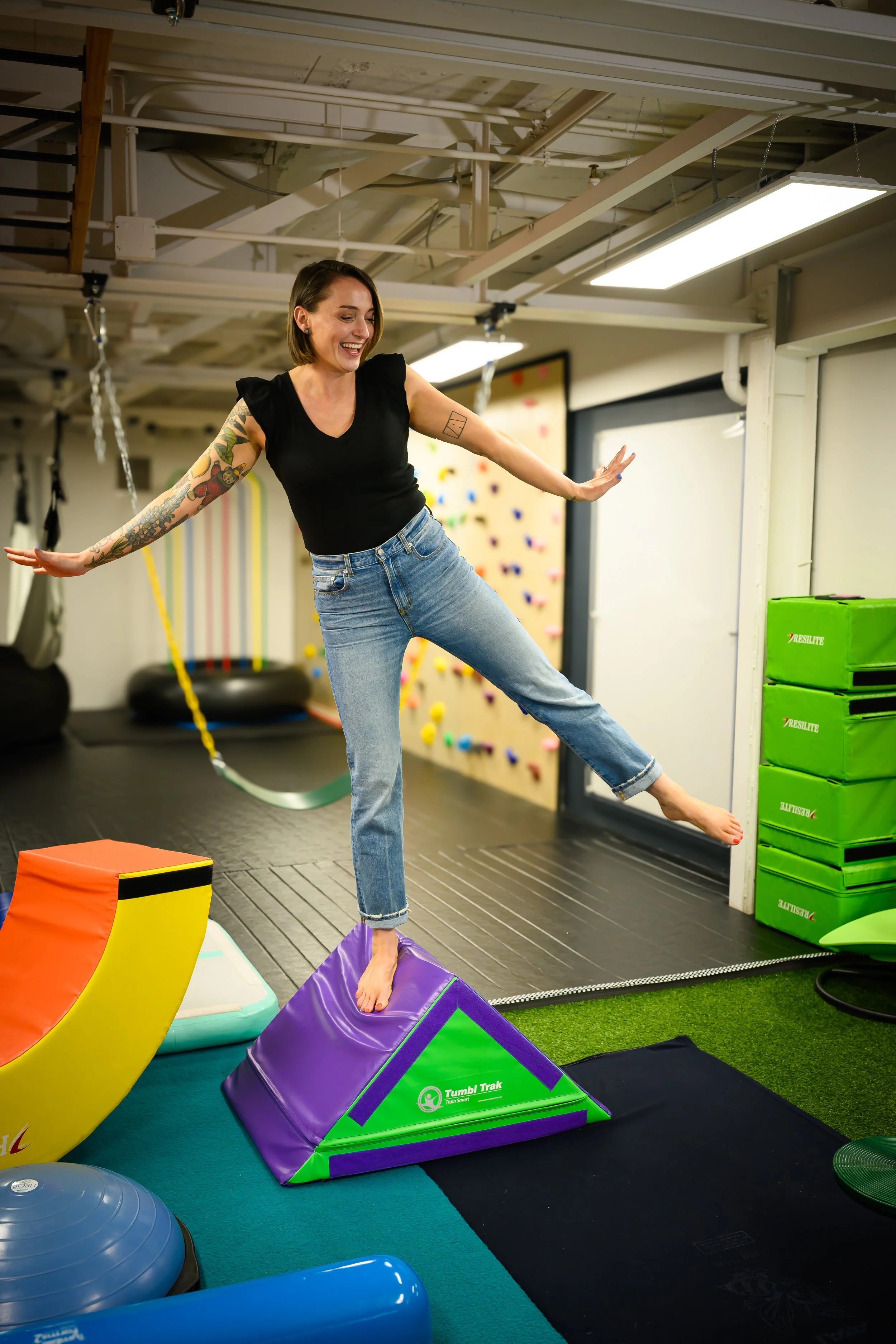
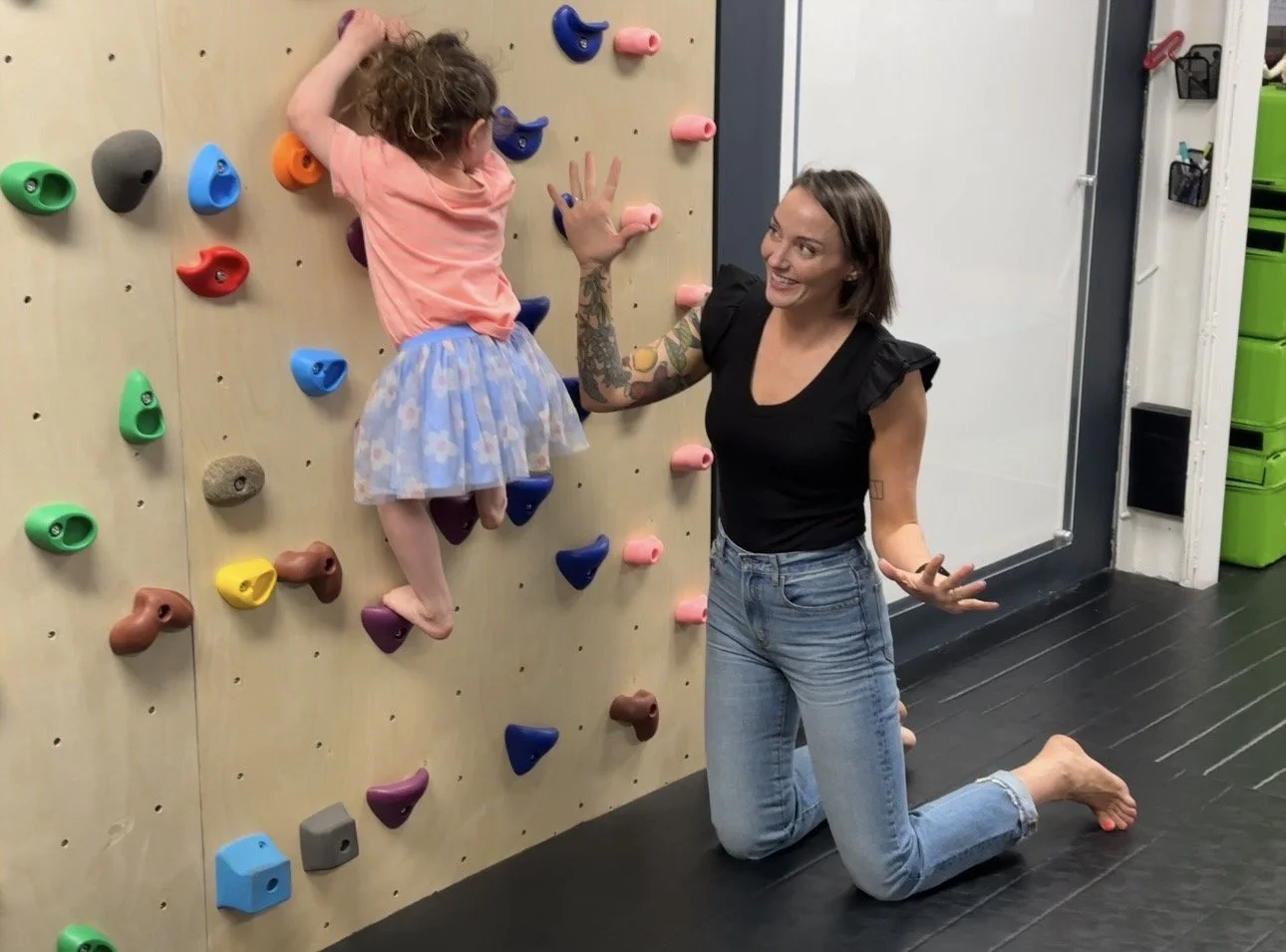
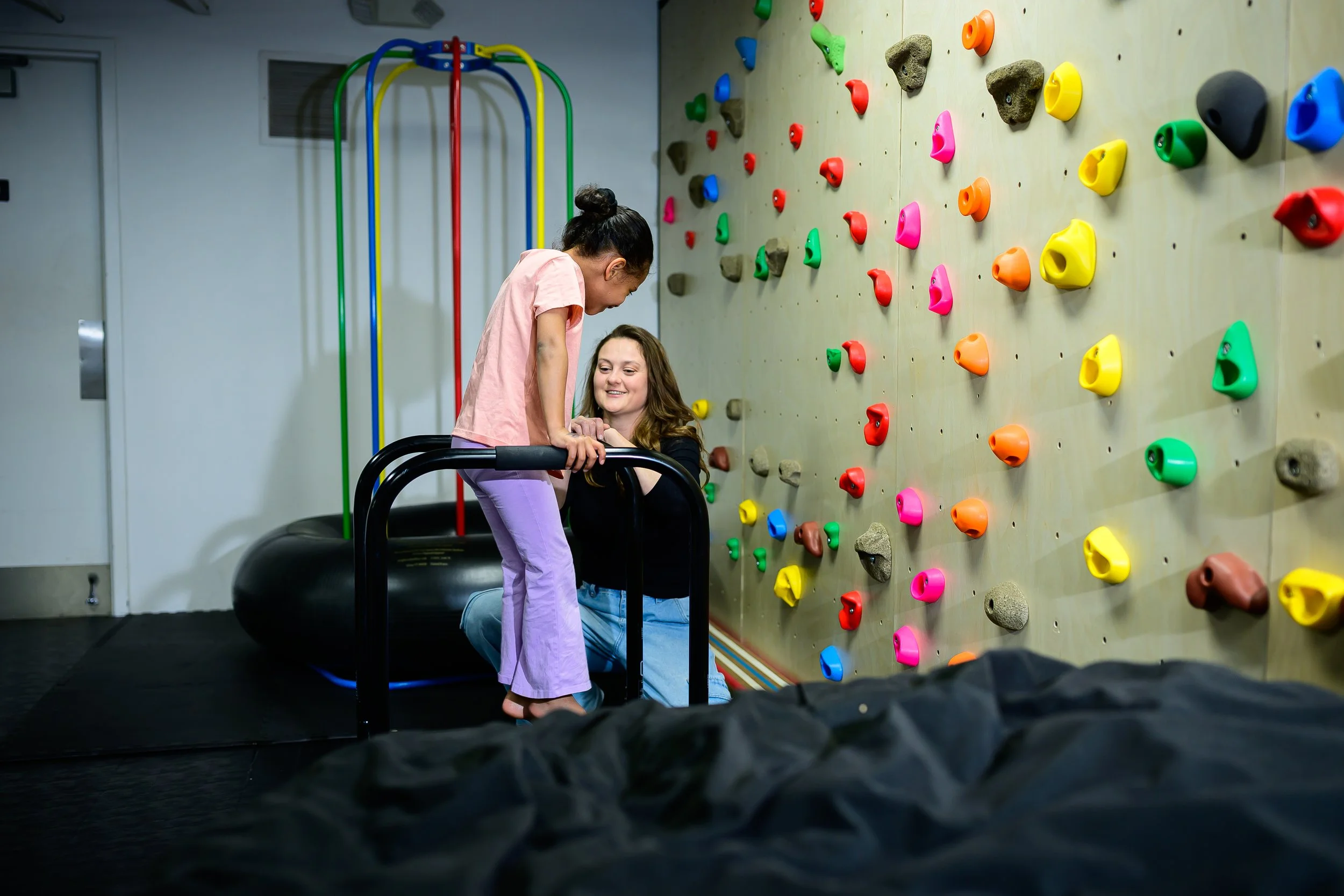
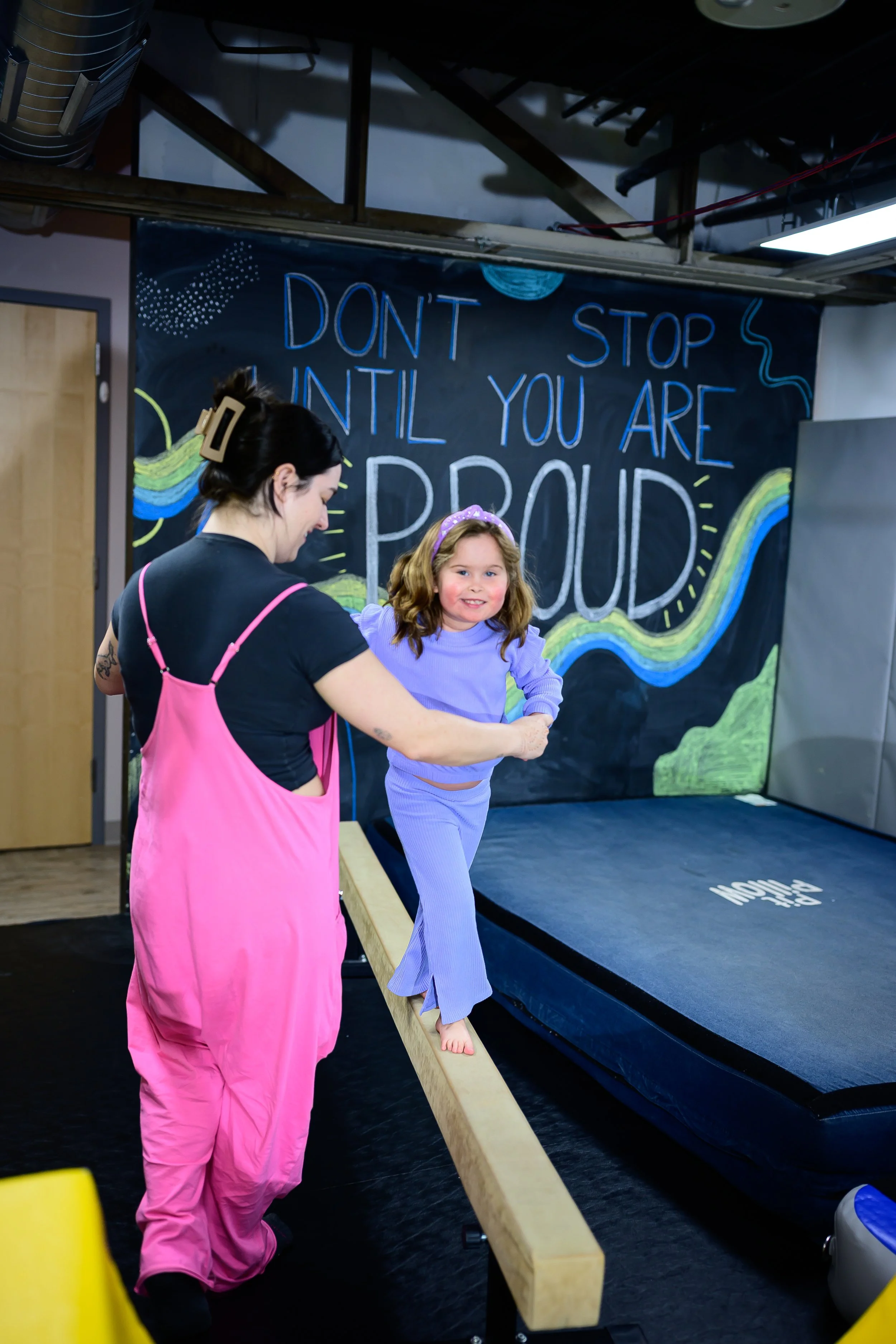
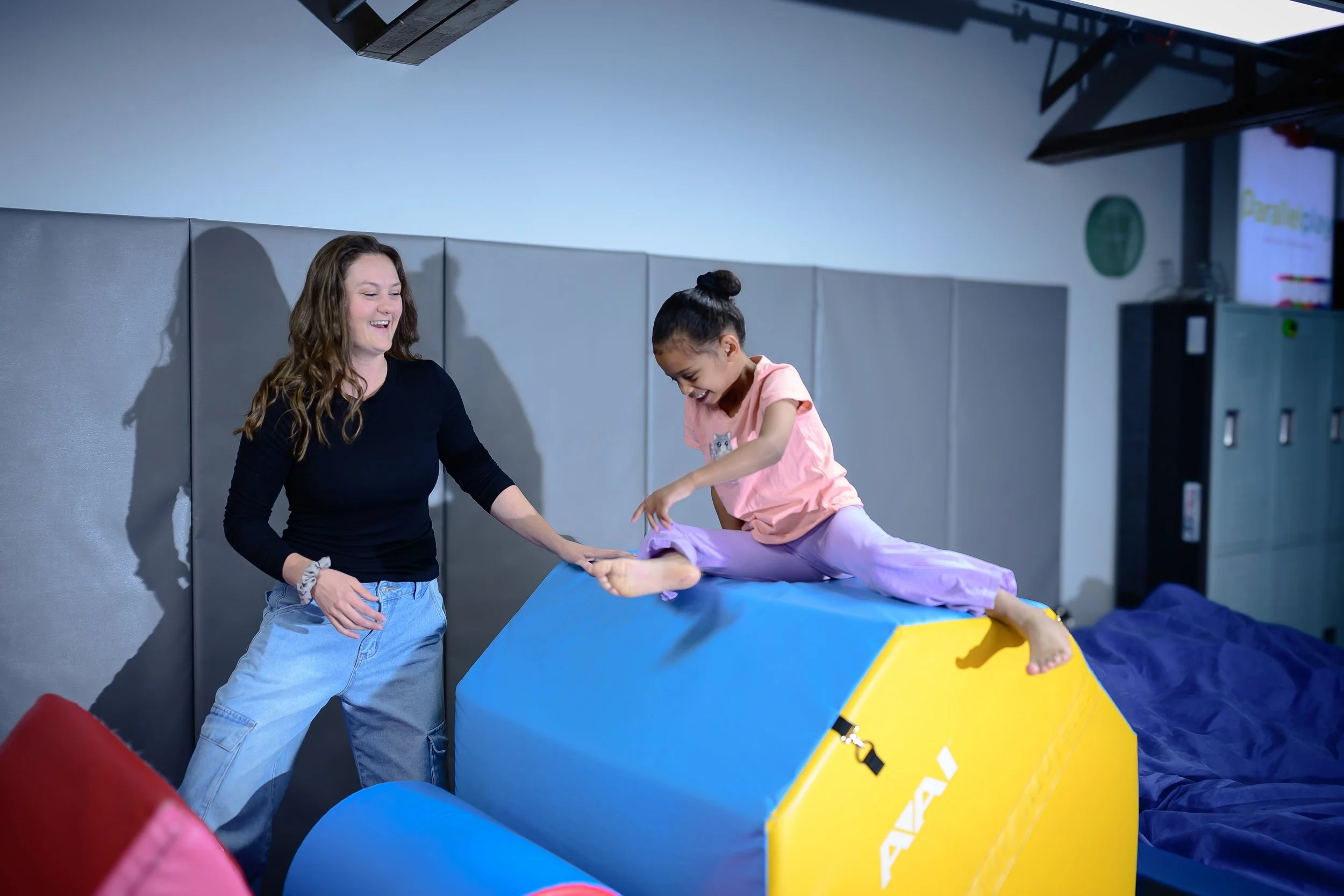
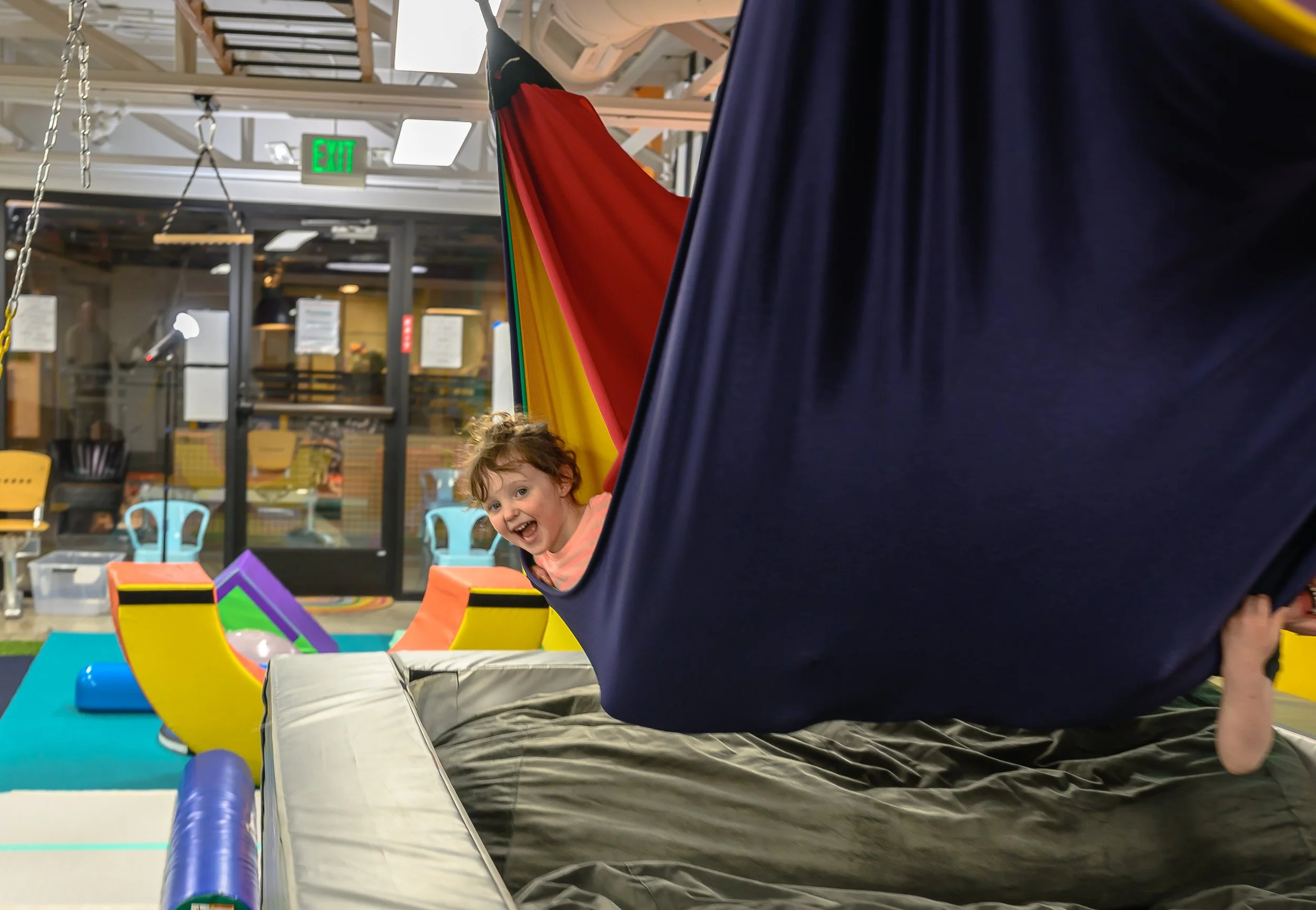
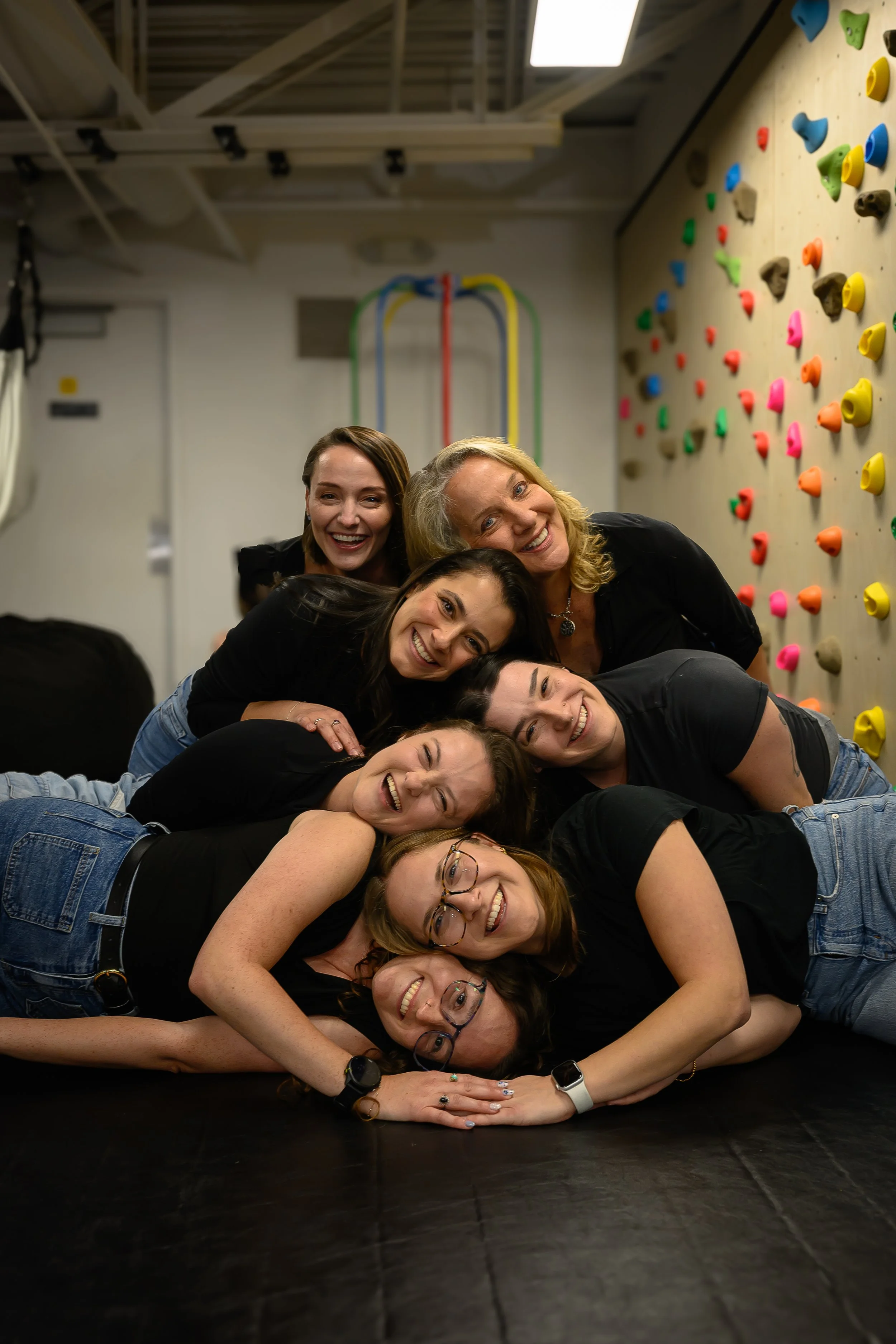
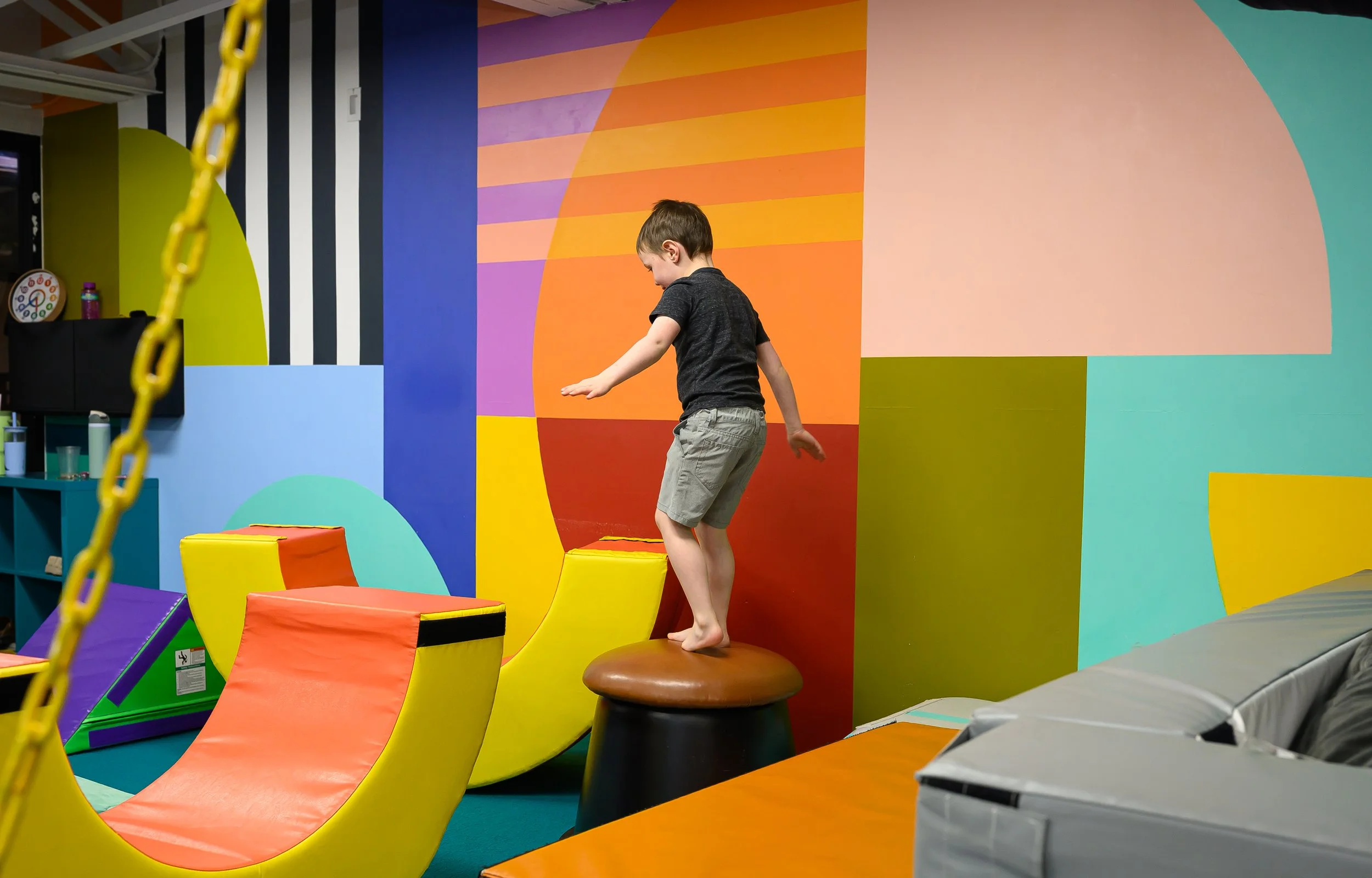
Walk past Parallel Play on any given afternoon and you'll see kids climbing, swinging, building wild contraptions, and navigating obstacle courses. There's energy, laughter, and a whole lot of movement.
What you're actually watching is occupational therapy, just not the kind most people picture.
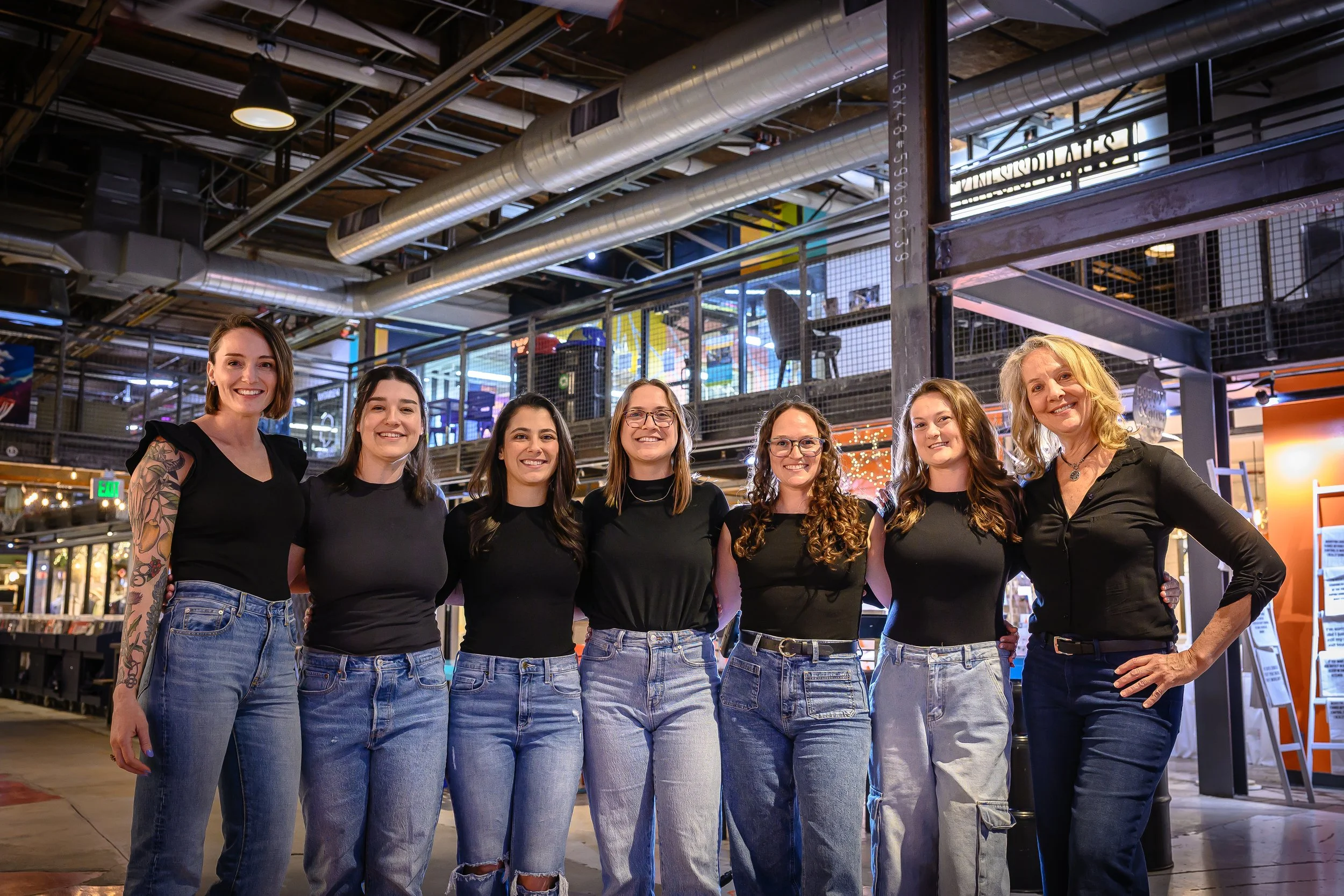
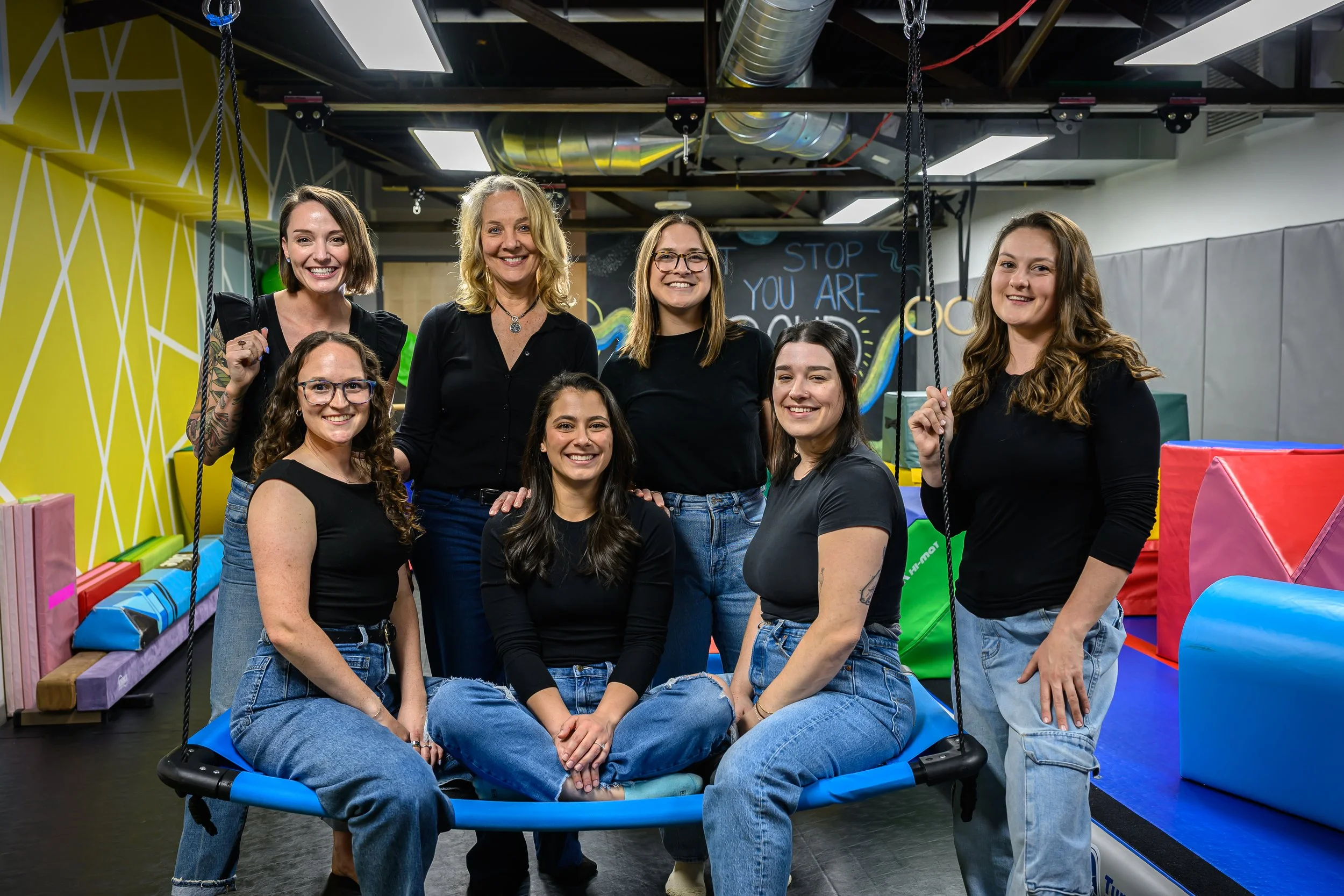
We sat down with Rachel Lawrence, owner of Parallel Play, to talk about how her practice is rethinking what pediatric OT can look like, and what families should know if they're considering it for the first time. Here's an inside look at one of the most thoughtful spaces in our community.
"What does a first appointment even look like?"
Short answer, per Rachel: not a checklist.
"We're not sitting them at a table running through a checklist," she explains. "We're watching how they play, how they respond to challenges, how they regulate, how they problem-solve, how they move and how they connect."
Parents are a huge part of that first visit. Rachel and her team talk through your concerns, the daily struggles, and the stuff that's actually hard at home or at school, not the polished version, the real one. By the end of the appointment, families walk out with a clear sense of what's going on and what to do about it. From there, the team follows up with caregivers to set goals that support the whole child and the whole family.
"How is OT at Parallel Play different from what I've seen before?"
"A lot of traditional therapy happens sitting still," Rachel says. "And that's just not how most kids learn."
Everything at Parallel Play is rooted in movement. The gym-based environment is built for kids to climb, swing, crash, build, and figure things out in real time. The team works on sensory processing, coordination, emotional regulation, and executive functioning, but the kid in front of them doesn't experience it as "work." They experience it as play.
Make no mistake though: it's still highly skilled, intentional therapy. As Rachel puts it, "It just doesn't look clinical, and that's the point."
"Who do you actually work with?"
Parallel Play sees kids ages 18 months to 21 years who are having a hard time keeping up with the demands of daily life. That can look like a lot of different things:
A kid who's constantly moving but somehow still can't focus
Big emotional reactions to small problems
Trouble with coordination or knowing where their body is in space
Struggles with transitions, routines, or doing things independently
Sensory sensitivities — or the opposite, sensory seeking
Executive functioning challenges: planning, organizing, getting started
Some kids who walk through the door have diagnoses. Some don't. "Either way," Rachel says, "if something feels harder than it should be, that's where we step in."
"So what happens in a typical session?"
No two sessions look exactly alike, but Rachel says they all follow a similar rhythm.
Sessions usually start with movement, it helps a child get regulated and ready to learn. From there, the team layers in challenges that target each kid's specific goals: problem-solving, coordination, frustration tolerance, attention. It might look like an obstacle course, a game, or a build-and-create activity. There's always a purpose behind it, even when it looks like pure fun.
The magic, Rachel explains, is in the adjustment, constantly fine-tuning to find that "just right" challenge where growth happens without overwhelm. Too easy and kids coast. Too hard and they shut down. The team aims for the sweet spot, every time.
And before families head out the door, each child’s therapist make a point of giving parents quick feedback, strategies, or ideas they can actually use at home that day.
"What surprises parents the most?"
"How much of the work is about regulation, not just skills," Rachel says.
Parents often come in thinking the goal is handwriting, attention, or behavior. And it is! But underneath all of that is a child who is either overwhelmed, under-stimulated, or simply not feeling successful or comfortable in their own nervous system, their own body. Once that foundation is in place, Rachel says, the other stuff tends to come along faster than people expect.
"How does this connect to my child's actual life?"
This is the heart of it. OT isn't about performing in a session. It's about helping kids participate in their real lives.
"When a child can regulate their body, manage frustration, and feel confident moving through their environment, everything changes," Rachel says. "School feels more manageable. Play becomes more enjoyable. Family routines become less stressful."
And here's what she really wants families to hear, it's not just about the child. When life gets easier for the kid, pressure lifts off the entire family. That's the goal at Parallel Play. Not just a more regulated child, but a calmer dinner table, a smoother bedtime, a less exhausted parent. "For life to feel easier for everyone. To enjoy and even thrive, not just survive."
One last thing from Rachel
"You don't need a diagnosis to get support, and you don't have to wait until things feel 'bad enough.'"
If your child is struggling, or if something just feels off, that's reason enough to start a conversation. The team at Parallel Play work closely with parents because what happens outside their sessions matters just as much as what happens inside them.
The goal isn't to keep families in therapy forever, it's the opposite. "It's to give them the tools and confidence to move forward on their own."
Visit Parallel Play at Stanley Marketplace to learn more about Rachel and her team's approach, or reach out directly to start a conversation. It's one of the many reasons we're proud of the community we've built here, local businesses doing meaningful work for the families who call this place home.